
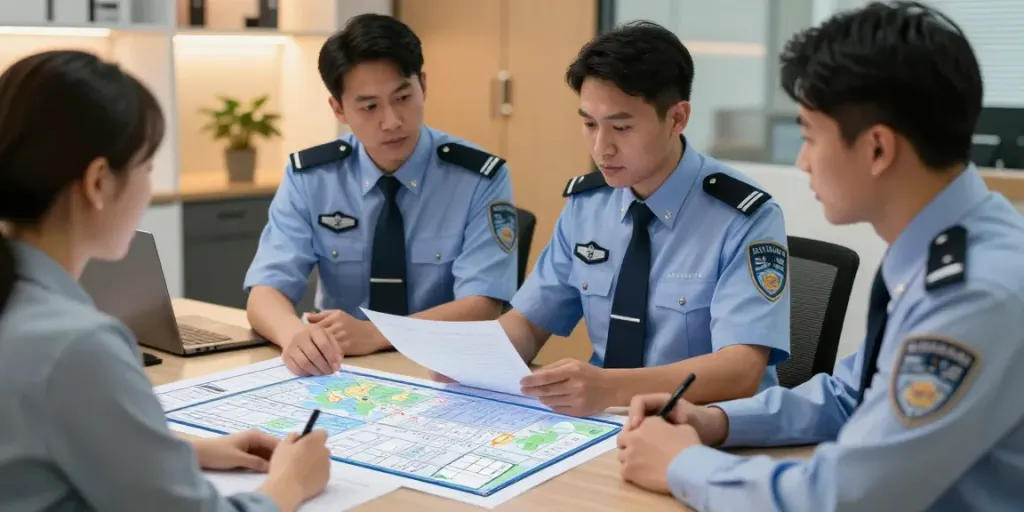
Understanding Private Security Services
As safety concerns continue to rise in urban environments, the demand for private security services has never been greater. Private security plays a pivotal role in safeguarding properties, individuals, and events, offering clients a reliable solution to protect their interests. In London, where the rate of crime can fluctuate dramatically, leveraging the expertise of a professional private security provider is essential. Clients are assured that their safety is backed by well-trained personnel equipped with the latest technology and strategies.
What Services Do Private Security Companies Offer?
Private security companies offer a comprehensive suite of services tailored to meet the unique needs of their clients. Typical offerings include:
- Manned Guarding: Trained security officers provide physical presence and monitoring at various locations, ensuring prompt response to incidents.
- Event Security: Specialists manage crowd control, access points, and emergency protocols for everything from concerts to corporate gatherings.
- Close Protection Services: Executive protection teams ensure the safety of individuals who are at heightened risk of threats.
- Surveillance and Monitoring: Installation and management of CCTV systems as a deterrent and a vital tool for crime investigations.
- Consultative Services: Security audits and risk assessments are conducted to devise strategies tailored to mitigate identified vulnerabilities.
When exploring options for Private Security, it's essential to choose providers that can offer innovative solutions based on specific client prerequisites.
The Importance of Licensed Security in Your Community
Licensed security personnel play a critical role in enhancing the safety of communities. They are vetted and trained in accordance with regulations set forth by the Security Industry Authority (SIA). This compliance is crucial not only for the friends and family of those who might need security but also for broader community peace.
Having licensed and trained security personnel ensures adherence to best practices, which can significantly reduce crime rates and increase the overall perception of safety and well-being. It also helps businesses maintain a professional image, affirming to customers that their safety is paramount.
Key Benefits of Hiring Professional Security Providers
Investing in professional private security services offers vast benefits, including:
- Proactive Risk Mitigation: Trained professionals anticipate and counteract potential threats before they escalate into serious incidents.
- Crisis Management Expertise: Many security personnel are trained to handle emergencies swiftly and effectively, minimizing damage and ensuring public safety.
- Enhanced Customer Experience: A visible security presence reassures customers and can elevate their overall experience at events or in stores.
- Tailored Security Solutions: Security providers can assess unique risks and offer customized solutions, ensuring the specific needs of the client are met.
Choosing the Right Private Security Provider
Criteria for Selecting a Trusted Security Company
Selecting a reliable security provider involves careful consideration of various factors to ensure you engage a competent partner. Start by evaluating the following:
- Licensing and Accreditation: Ensure that the company holds all necessary licenses and certifications from relevant authorities.
- Experience and Expertise: Consider their track record in the industry and specific experience in handling requirements similar to yours.
- Client Testimonials: Look for reviews and references from previous clients to gauge satisfaction and service quality.
- Response Times: Evaluate their readiness to respond to incidents promptly. Ask about average response times to incidents in your area.
Understanding Licensing and Insurance Requirements
All reputable private security providers must be adequately licensed and insured. It protects clients from liability and ensures compliance with industry standards. The SIA mandates that all officers in the security sector be licensed, guaranteeing that they have undergone necessary training and background checks. Besides licensing, ensure that the company carries liability insurance to cover any incidents that might occur during their service.
Assessing Customer Reviews and Testimonials
Customer feedback can offer valuable insights into the performance and reliability of a security company. Look for trends in reviews, focusing on aspects such as professionalism, punctuality, and effective communication. Positive testimonials can indicate a strong reputation, while numerous negative reviews might raise red flags.
Pricing Guides for Private Security Services
Average Costs for Security Services in London
The costs associated with hiring a private security provider can vary greatly based on numerous factors, including the complexity of the situation and the services required. On average, clients can expect to pay between £12 to £20 per hour for basic security personnel. More specialized roles, such as event security or close protection, may command higher rates, often exceeding £25 per hour, especially during peak demand periods.
Factors Influencing Security Pricing
Several elements can influence the pricing of security services:
- Service Type: Different services have varying costs; for example, manned guarding is generally less expensive than close protection services.
- Duration: Short-term engagements may cost more per hour compared to long-term contracts, which can offer discounted rates.
- Location: Prices may fluctuate depending on the area, with services in central London typically being more expensive than those in outer boroughs.
- Specialized Training: Security personnel who have specialized skills or extensive experience may cost more.
Comparing Cost for Different Security Needs
When comparing security services, consider creating a checklist that outlines your specific needs, including:
- The number of personnel required
- The duration of service
- Specific security concerns (e.g., potential threats or special events)
- Desired response times and service levels
Having this information allows for better comparison between quotes from different security providers, ensuring you select the best value for your needs.
Community Standards and Safety Regulations
Compliance with Local Laws and Standards
Adherence to local laws and standards is essential for private security companies. These regulations ensure that companies maintain necessary operational protocols and uphold public safety. It is advisable for clients to check the specific legal requirements that security companies must comply with in their locality to enhance transparency.
Insurance Requirements for Security Providers
Insurance acts as a safety net for both clients and security companies. Key areas to consider include:
- Public Liability Insurance: Protects against claims arising from accidents or incidents in connection with security services.
- Employers’ Liability Insurance: Vital to ensure coverage for any employee injury claims without affecting the client.
The Role of Social Responsibility in Security Services
Private security companies are increasingly recognizing their social responsibilities within the community. This includes implementing community safety initiatives, engaging with local neighborhoods, and maintaining ethical practices.
Companies committed to social responsibility often benefit from an enhanced reputation, leading to increased business and community trust.
Seasonal Tips for Event Security Planning
Preparing for Seasonal Events: Best Practices
Seasonal events often come with heightened security concerns, which require meticulous planning. Start with a thorough risk assessment to identify specific vulnerabilities related to the event location, crowd size, and nature of activities. Establish contingency plans for emergencies and ensure that all security personnel are trained and briefed on their roles.
Emergency Response Protocols for Security Teams
Effective emergency response protocols are critical for ensuring safety at events. These protocols should include:
- Crowd evacuation procedures
- Emergency medical response plans
- Communication strategies for alerting attendees and authorities
Regular drills and training sessions can help security personnel stay prepared for any situation that may arise during events.
Collaborating with Local Authorities for Event Security
Building relationships with local law enforcement and emergency services can enhance event security. For more information, Private Security offers valuable insights. These collaborations may involve pre-event briefings, sharing emergency plans, and coordinating location-specific protocols to ensure seamless communication and response during the event.